




Book Expert Service
Essential Guide on How to Maintain Your Furnace Efficiently
Ensure your furnace runs efficiently with our essential guide to maintenance. Learn effective tips for upkeep and keep your heating system in top condition!

Comprehensive Furnace Maintenance Guide: Benefits, Tips, and Professional Care in Tampa, FL
Furnace maintenance means regular inspection, cleaning, and minor servicing to keep a home heating system safe, efficient, and reliable, and it directly improves comfort, indoor air quality, and operating costs. This guide explains practical DIY steps homeowners can safely perform, the key benefits of annual professional tune-ups, and when local Tampa conditions change the maintenance schedule. Many households miss small warning signs that precede major failures; this article shows which quick checks prevent those breakdowns and how professional inspections catch safety risks like combustion and carbon monoxide issues. You will find a clear DIY checklist, a detailed description of what a professional 20-point tune-up includes, a maintenance-plan comparison table, and specific timing advice for Tampa's mild, humid winters. Throughout, keywords like furnace maintenance, furnace tune-up Tampa, furnace filter types, and signs furnace needs tune-up appear in context to help you act now and reduce unexpected repair costs.
Why Is Regular Furnace Maintenance Essential for Home Comfort and Safety?
Regular furnace maintenance is the systematic process of inspecting, cleaning, and tuning furnace components to ensure safe combustion, consistent heating, and peak efficiency; these actions reduce risks and lower operating costs. Maintenance works by removing soot and debris, checking safety devices like carbon monoxide detectors and heat exchangers, and verifying airflow to prevent overheating and inefficient combustion. The primary benefits include improved indoor air quality, reduced energy use, extended equipment life, and a lower likelihood of emergency repairs during cold snaps. Below are the core advantages that maintenance delivers and why homeowners should prioritize an annual inspection.
Regular furnace maintenance delivers five measurable benefits:
- Safety assurance through combustion and carbon monoxide checks, reducing poisoning and fire risk.
- Energy savings by restoring efficient combustion and proper airflow, lowering monthly heating costs.
- Longer system lifespan by preventing component wear and early failure.
- Better indoor air quality through clean filters and balanced ventilation.
- Fewer emergency repairs because technicians catch small issues before they escalate.
These benefits explain why maintenance is a preventive investment rather than a recurring expense, and understanding lifespan improvements leads directly into how routine care extends equipment life.
How Does Furnace Maintenance Extend Equipment Lifespan?
Routine maintenance extends furnace lifespan by reducing mechanical wear, restoring correct operating conditions, and catching small faults before they cause system-wide damage. Technicians lubricate moving parts, tighten electrical connections, and inspect bearings and blower motors to prevent premature failure, which preserves expensive components like motors and heat exchangers. Documented, regular service also helps homeowners spot trends—such as rising operating temperatures or minor gas leaks—so targeted repairs prevent cascading damage. This preventive approach translates into several additional years of usable life for many furnaces and preserves resale value while avoiding the large expense of premature replacement.
These protection measures also improve reliability and set the stage for efficiency gains discussed next.
What Energy Efficiency Improvements Result from Annual Furnace Tune-Ups?
An annual tune-up typically improves energy efficiency by recalibrating burners, replacing or cleaning filters, and optimizing blower and thermostat settings to reduce runtime and fuel consumption. Cleaning burners and adjusting combustion improves AFUE-related performance, while a clean filter and balanced airflow reduce blower workload and lower electricity draw. Homeowners often see modest but meaningful reductions in seasonal heating use, and verified adjustments during tests confirm efficient operation. Measuring pre- and post-tune-up runtime or noting lower utility bills provides tangible evidence that regular maintenance pays back over time.
These efficiency gains directly affect how homeowners should approach DIY maintenance between professional visits, which is the next focus.
What Are the Key Steps in a DIY Furnace Maintenance Checklist?
A homeowner DIY checklist focuses on safe, repeatable tasks that maintain airflow, filtration, and simple controls to keep a furnace operating reliably between professional visits. Basic steps include checking and replacing filters on schedule, confirming thermostat settings and batteries, inspecting visible venting and registers for obstructions, and performing a visual inspection for soot, corrosion, or loose panels. These actions do not replace a professional 20-point tune-up but significantly reduce wear and improve comfort when performed monthly to seasonally. Below is a concise how-to list homeowners can follow and a comparison table showing common filter types and recommended replacement frequencies.
- Inspect and replace the furnace filter every 1–3 months depending on type and household conditions.
- Check thermostat settings and batteries to ensure proper setpoints and responsiveness.
- Clear vents and registers so air flows freely from supply and return grilles.
- Visually inspect the furnace cabinet and venting for soot, rust, or loose panels that indicate service is needed.
Regularly performing these steps reduces system strain and prepares homeowners to recognize when professional attention is required.
Before reviewing the filter table, note how filter choice affects both efficiency and indoor air quality; selecting the right filter balances capture efficiency and airflow.
Selecting the correct filter maintains airflow and particle capture without overloading the blower; frequent checks ensure the filter functions as intended and preserves system efficiency.
How Do You Check and Replace Furnace Filters Properly?
Identify the filter slot and note airflow direction printed on the filter frame, then power down the furnace before removing the old filter to avoid disturbance to the system. Inspect the removed filter for visible dust accumulation and hold it to light; if light does not pass easily, replacement is needed. Match replacement filters by size and acceptable MERV rating for your furnace—higher MERV improves particle capture but can restrict airflow if the blower is undersized. After installing the new filter in the indicated orientation, restart the system and note any changes in airflow or noise; regular filter replacement directly reduces cycling and wear.
This practical process ties into thermostat and vent management, which further stabilizes system performance between professional services.
How Can Thermostat Settings and Vent Clearing Improve Furnace Performance?
Program thermostats for reasonable setbacks to limit runtime while avoiding frequent short-cycling; in Tampa, modest setbacks overnight can save energy without sacrificing comfort. Replace thermostat batteries annually and verify setpoint response to ensure the control signal accurately reflects conditions; a calibrated thermostat reduces unnecessary runtime. Clear furniture and draperies from supply registers and avoid closing many vents, which can create pressure imbalances and reduce return airflow to the furnace. These small adjustments promote even heating and reduce stress on the blower and heat exchanger, supporting efficient, reliable operation until the next professional inspection.
Clear vents and correct thermostat programming reduce uneven heating problems and segue into what professional services include during a 20-point tune-up.
What to Expect from Professional Furnace Maintenance Services by Sunstate Mechanical?
Professional furnace maintenance commonly includes a comprehensive inspection and tune-up that covers combustion safety, airflow, electrical systems, and operational testing; these checks verify safe and efficient performance. Sunstate Mechanical Contractors, Inc. offers furnace maintenance service and maintenance plans (Bronze, Silver, Gold, Platinum), and certified technicians perform detailed inspections such as carbon monoxide testing, heat exchanger examination, burner adjustment, blower cleaning, and electrical connection tightening. This professional scope reduces safety risks, improves efficiency, and often uncovers small repairs before they become emergencies. Provide useful information about HVAC, plumbing, and air quality services, build trust, and lead potential customers to schedule service appointments or request quotes.
The next sections break down the 20-point tune-up and explain technician procedures that ensure safety and reliability.
What Is Included in Our Comprehensive 20-Point Furnace Tune-Up?
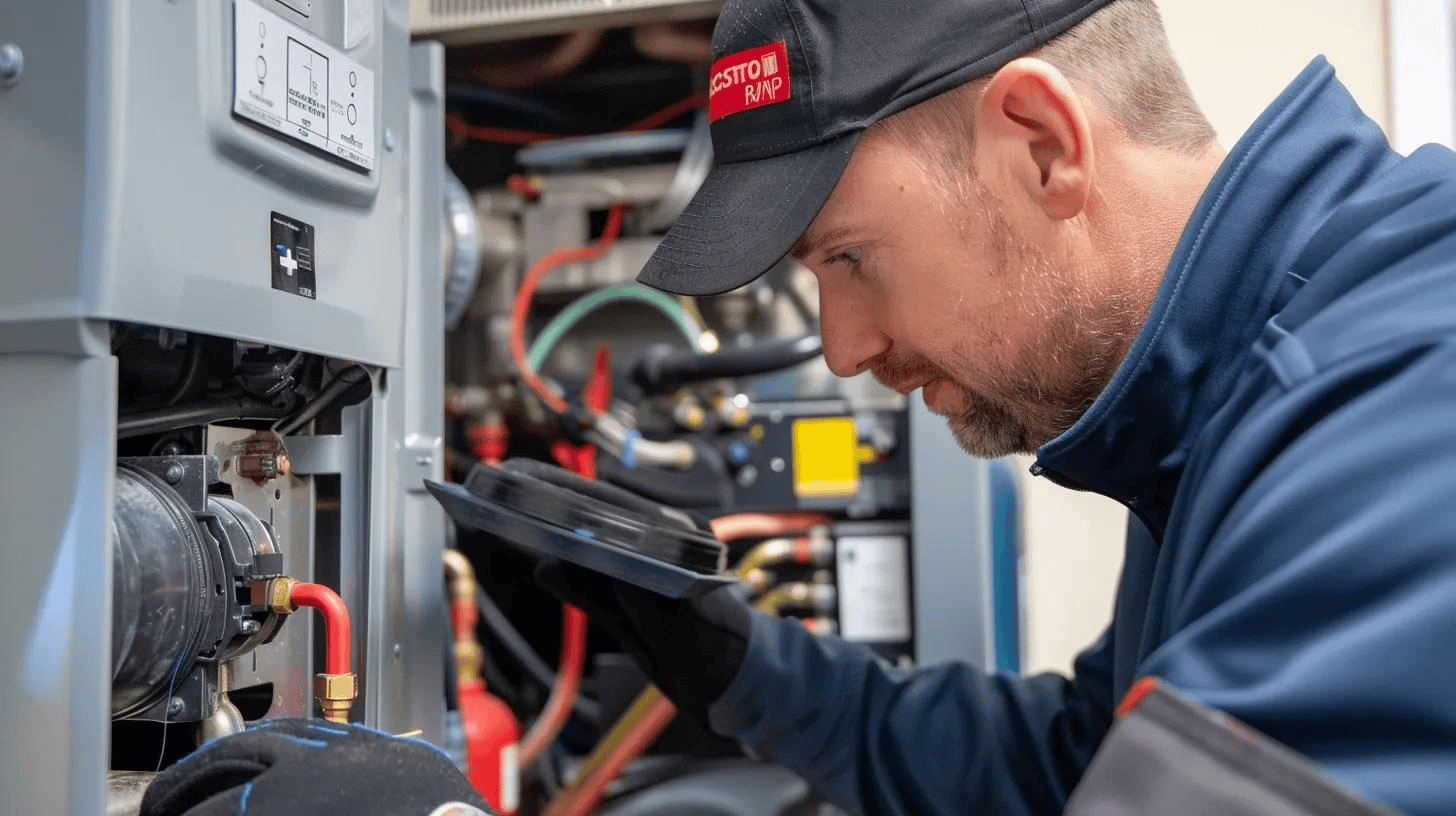
A professional 20-point furnace tune-up inspects safety-critical components, cleans operational parts, and verifies system performance through measured testing and adjustments. Typical items include carbon monoxide testing, heat exchanger inspection, burner and ignition system cleaning and calibration, filter replacement or guidance, blower motor cleaning and lubrication, gas line check, venting inspection, thermostat calibration, electrical tightening, and operational cycle testing. Documenting each step provides homeowners with a clear service record and identifies any recommended repairs or parts replacement. These checks focus on both safety and efficiency so the furnace runs reliably through the season.
Comparing plan tiers helps homeowners choose the right level of protection; plans often reduce emergency call frequency while offering budget-friendly options.
How Do Certified HVAC Technicians Ensure Furnace Safety and Reliability?
Certified technicians follow a structured diagnostic routine using calibrated instruments to measure combustion efficiency, pressure, voltages, and gas connections, and they apply safety protocols such as shutting down unsafe systems and documenting findings. Background-checked, trained professionals inspect the heat exchanger for cracks, verify proper venting, and measure carbon monoxide levels to ensure occupant safety. Technicians also log maintenance history and recommend prioritized repairs with cost-benefit context, which helps homeowners make informed choices and maintain warranty compliance. Relying on certified expertise reduces risk and keeps the system within safe, efficient operating parameters.
Preventing Carbon Monoxide Poisoning: The Importance of Annual Furnace Inspections
Residential poisonings caused by faulty furnaces are the most common type of CO exposure. However, these poisonings are largely preventable with annual furnace inspections and CO alarm installation. ObjectiveThis study aimed to identify the knowledge, attitudes and beliefs that might lead consumers to adopt these protective behaviours.MethodsIn August 2009, four focus groups (n=29) were conducted with homeowners in Chicago, Illinois, USA, to identify the knowledge, attitudes and beliefs that lead consumers to adopt risk and protective behaviours. Discussions were transcribed and the findings were analysed using an ordered meta-matrix.ResultsFocus group participants were aware of CO poisoning and supported the idea of regular furnace inspections. However, few participants consistently scheduled professional inspections for fear of costly repairs an
When Should You Schedule Furnace Maintenance in Tampa, FL?
The short answer: schedule an annual professional inspection in the fall and perform basic DIY checks monthly during heating season; Tampa’s mild winters mean tune-ups timed before cooler months are most effective. Humidity and intermittent use can create corrosion and control issues that professional inspections catch before colder days increase demand. Schedule service proactively when you notice warning signs—strange noises, rising bills, uneven heating, or smell of gas—and balance preventative maintenance with emergency availability if systems fail unexpectedly. Provide useful information about HVAC, plumbing, and air quality services, build trust, and lead potential customers to schedule service appointments or request quotes.
Below are seasonal recommendations and immediate warning signs that warrant prompt scheduling.
- Pre-season tune-up: Schedule in early fall before sustained colder days.
- Unusual sounds: Grinding, banging, or continuous clicking indicates inspection.
- Odors or visible soot: Must be evaluated immediately for combustion issues.
- Reduced airflow or uneven warmth: Suggests airflow restrictions or failing components.
These indicators distinguish scheduled maintenance from emergency responses and lead directly into how emergency and preventative services differ.
What Are the Seasonal and Warning Signs Indicating Furnace Service Is Needed?
Seasonal triggers include the first sustained drops in temperature that increase runtime and exposure of corrosion or ignition problems after summer humidity. Warning signs include persistent odd smells (burning or rotten eggs), noticeable performance decline, frequent cycling, increased utility bills, or visible soot near registers. If any sign of gas odor, carbon monoxide alarm activation, or visible flame irregularity occurs, treat it as an emergency and arrange immediate service. Otherwise, pre-season scheduling in the fall gives technicians time to correct small issues before colder weather increases system demand.
Recognizing these signals helps homeowners decide between preventative visits and emergency calls, which differ in scope and cost.
How Do Emergency and Preventative Maintenance Differ?
Emergency service targets immediate restoration—getting heat back quickly and making temporary repairs as needed—whereas preventative maintenance is a scheduled, comprehensive inspection aimed at preventing failures and improving efficiency. Emergency calls typically focus on diagnosis and quick fixes under pressure, often at higher service rates, while preventative visits allow time for full cleaning, calibration, and prioritized replacement planning. Regular preventative maintenance reduces the frequency of emergency calls by identifying wear patterns early and scheduling repairs on favorable timelines. Choosing a maintenance plan can convert unpredictable emergency spending into predictable preventative care.
What Are the Most Frequently Asked Questions About Furnace Maintenance?
This section answers common PAA-style questions concisely to help homeowners make informed maintenance decisions, covering service frequency, typical costs, and when to call professionals versus doing DIY tasks. Annual professional service is the standard recommendation, with monthly or quarterly DIY checks between visits to maintain filters and airflow. Understanding typical cost components and the quantifiable benefits of inspections helps homeowners weigh preventive spending against repair risk. The following Q&A pairs give direct, actionable answers for common homeowner queries.
How Often Should a Furnace Be Serviced for Optimal Performance?
A furnace should receive a professional inspection at least once per year—ideally before the heating season—with monthly to quarterly DIY checks for filters and vents depending on use and household conditions. Annual inspections address combustion safety, heat exchanger integrity, and performance tuning, while interim DIY tasks preserve airflow and detect early symptoms. Homes with pets, allergy concerns, or heavy use may require more frequent filter replacements and a semi-annual check. This combination of scheduled professional care plus regular homeowner attention provides the best balance of safety, efficiency, and cost-effectiveness.
Routine service intervals naturally lead into cost considerations and the return on investment of inspections, discussed next.
What Are the Typical Costs and Benefits of Annual Furnace Inspections?
Typical costs for an annual inspection vary by region and scope but generally cover safety checks, minor adjustments, and testing; building on that, documented benefits include fewer emergency repairs, better efficiency, and a longer service life for the furnace. Preventative maintenance often reduces the probability of costly component failures and can save homeowners on energy bills through restored efficiency. Homeowners should request local quotes to compare included tasks and plan tiers; choosing a plan that matches equipment age and household needs produces the best long-term value. Provide useful information about HVAC, plumbing, and air quality services, build trust, and lead potential customers to schedule service appointments or request quotes.
This final note ties the guide back to action and makes it clear how to proceed with scheduling and quoting for service.
Conclusion
Regular furnace maintenance is essential for ensuring safety, efficiency, and comfort in your home, providing significant benefits such as improved air quality and reduced energy costs. By prioritizing both DIY checks and professional tune-ups, homeowners can extend the lifespan of their heating systems and prevent costly repairs. Don't wait for issues to arise; take proactive steps to maintain your furnace and enjoy peace of mind throughout the heating season. Schedule your annual inspection with our certified technicians today to ensure your furnace operates at its best.
Other Blogs





Flexible Financing Options for Your Needs
Enjoy flexible financing options to make HVAC services and upgrades affordable, ensuring year-round comfort without the financial stress.
Customer Reviews
We recently moved to Florida and needed major repairs to our church. After researching several companies, I went with Sunstate and I’m so thankful I did. Joe came out and provided us with the information necessary to make an informed decision and provided a reasonable estimate. We had a new unit installed, duct work repaired, and new thermostat installed. If you’re reading this review and wondering who to trust for your AC needs, please call Sunstate.

Charlie M.
Great job replacing both the condensing unit and air-handler. Moved the air-handler from the attic to the garage and re-designed and installed new duct work to accommodate the move. Works great and no more worries about overflowing drain pan damaging the ceiling and wood floors. Not to mention making it easier to maintain the AH unit. The guys worked through the night to make sure the AC was back on before they left the job. Thanks for a job well done.
Bob L.
Sunstate mechanical is truly the best contractors I have experienced since I moved into my house 30 years ago. I have been dealing with Joe and his crew for over 11 years now. They are a trustworthy, respectful, experienced crew who works with you and gives you a fair value. They just completed a big job replacing my A/C, gas furnance and condenser. They did an excellent job, no short cuts, made sure everything was functional, and cleaned up the area nicely before they left.
Denise S.
Sunstate Mechanical are absolutely one of the best. I have had two new units installed from them, and the work they did was spectacular. The crew was prompt (even called ahead to confirm the appointment), incredibly professional, and they left the area around the air handler somehow cleaner than when they arrived. I have had no issues with my units over the years because Sunstate Mechanical took the time to do it right the first time.
Cory C.
Sunstate Mechanical Contractors is by far a rare gem in Tampa Bay area when it comes to delivery the best service! They are very responsive very affordable. I have referred them to numerous friends and family who have experienced the same level of service as I have in the past! They only have good things to say about Joe the owner and his team! They also offer a great maintenance plan to keep things running in top shape! Thank you Sunstate! Keep up the great work!
Katrina D.

